Forbidden City
Beijing
At a glance
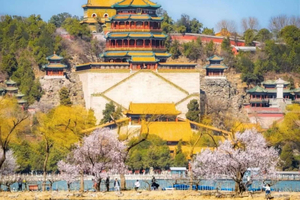
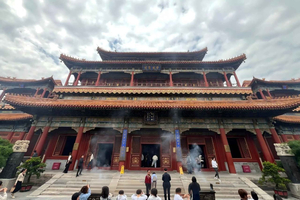
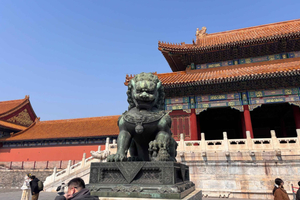
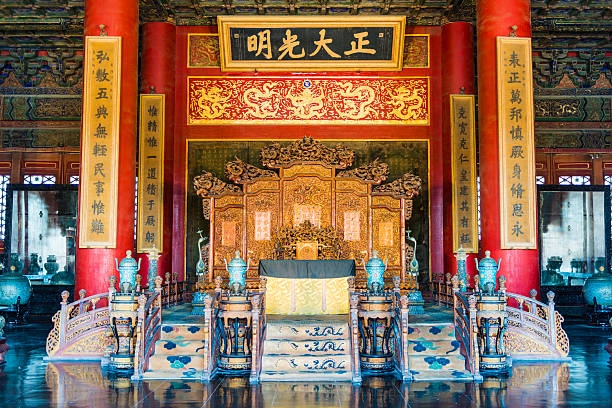
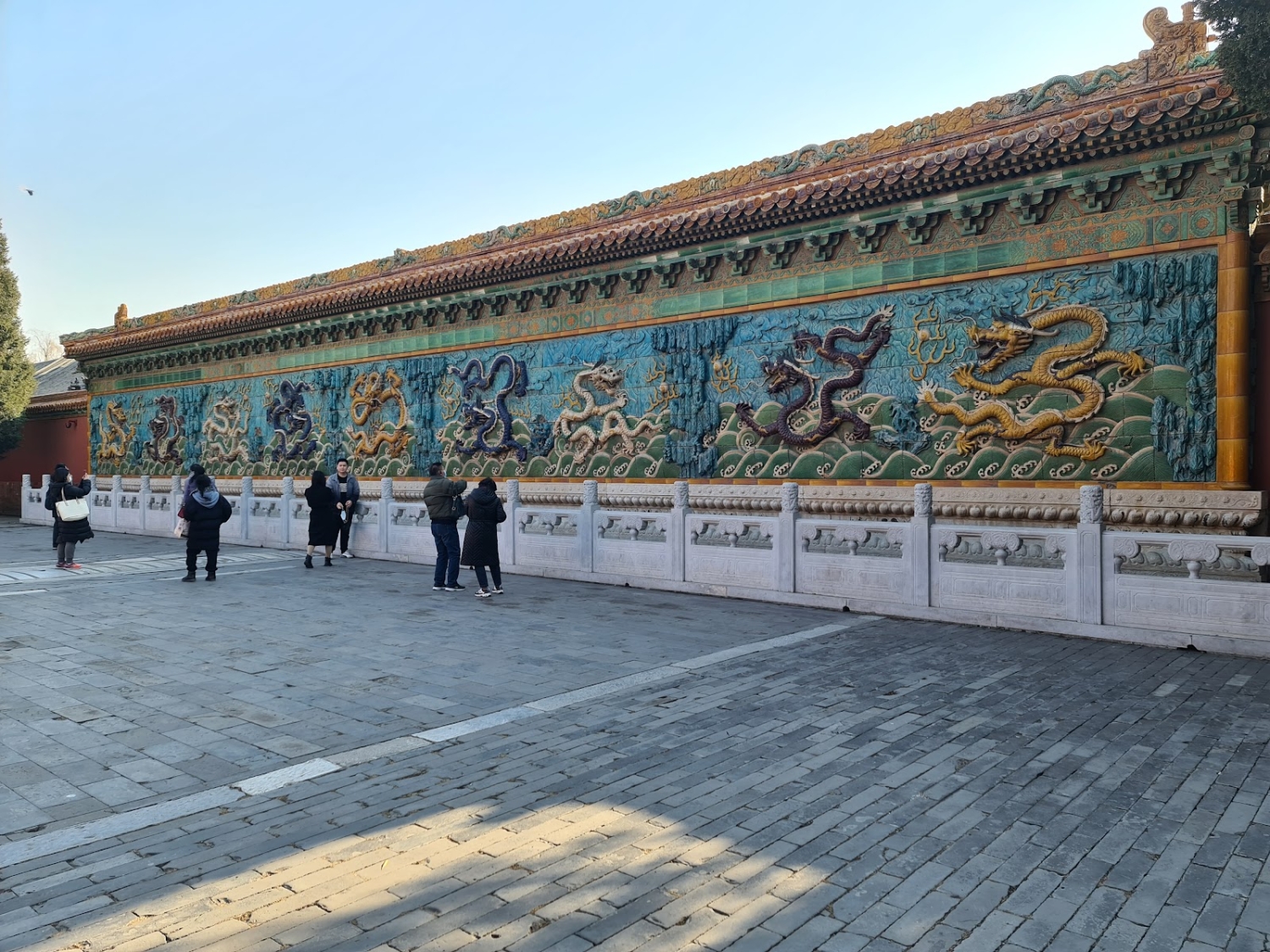
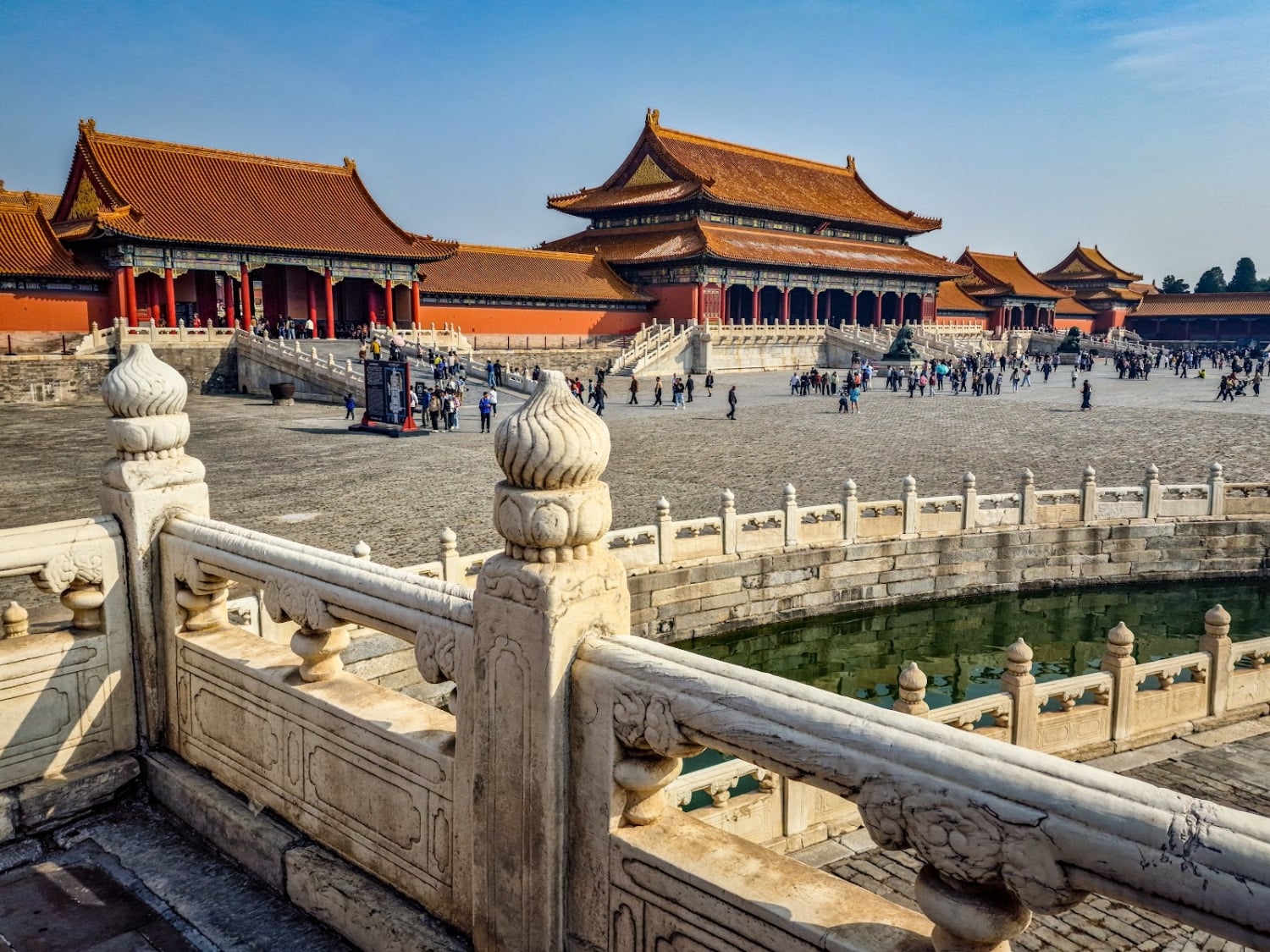
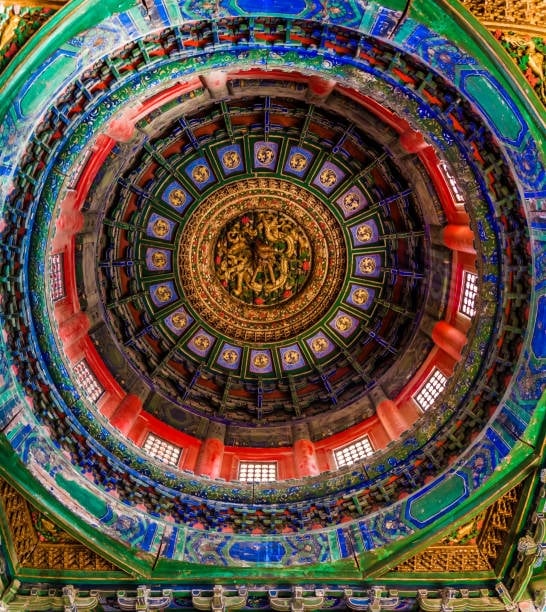
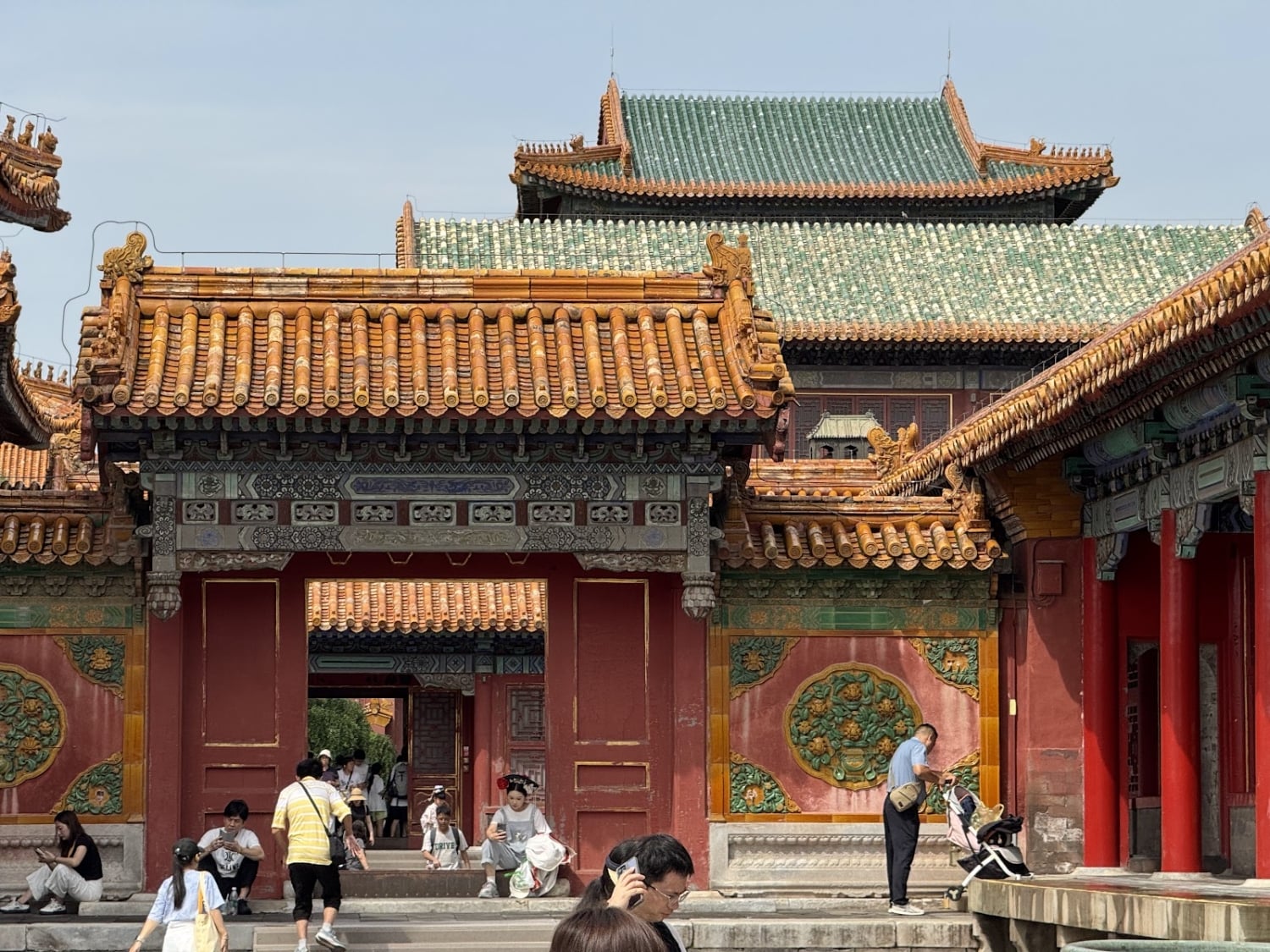
The Forbidden City, located at 4 Jing Shan Qian Jie in Beijing, China, is a historic palace complex that serves as a vantage point for exploring Chinese imperial history. This regal complex, also known as the Palace Museum, offers a glimpse into ancient architectural brilliance, with its vast collection of traditional Chinese edifices, lavish halls, and intricate designs. The Forbidden City holds great cultural significance, housing over a million cultural relics and artworks such as paintings, ceramics, and calligraphy.
The museum provides visitors with educational opportunities through a range of exhibitions and lectures. The exhibitions frequently focus on different themes, from ancient Chinese art to significant historical artifacts. Visitors can also explore the Palace Museum digitally through its apps and online resources, which deliver a full panoramic view of the complex and its collections.
Environmental preservation is a key aspect of the Forbidden City. Efforts have been made to maintain the original appearance of historic buildings and protect the numerous artifacts that belong to China’s rich heritage. The expansive area offers a slice of ancient China in the midst of modern Beijing, making it a crucial destination for those interested in history, culture, and architecture.
The Palace Museum is an insightful experience for history enthusiasts, families, and educational tours, providing a serene travel experience that is punctuated by the grandeur of Chinese heritage. While the ambiance of the Forbidden City speaks to the splendor of past dynasties, the museum also facilitates contemporary study and research through its scholarly programs and projects. Whether participating in its lectures or wandering through its landscaped courtyards, visitors get an authentic taste of Chinese historical legacies.